

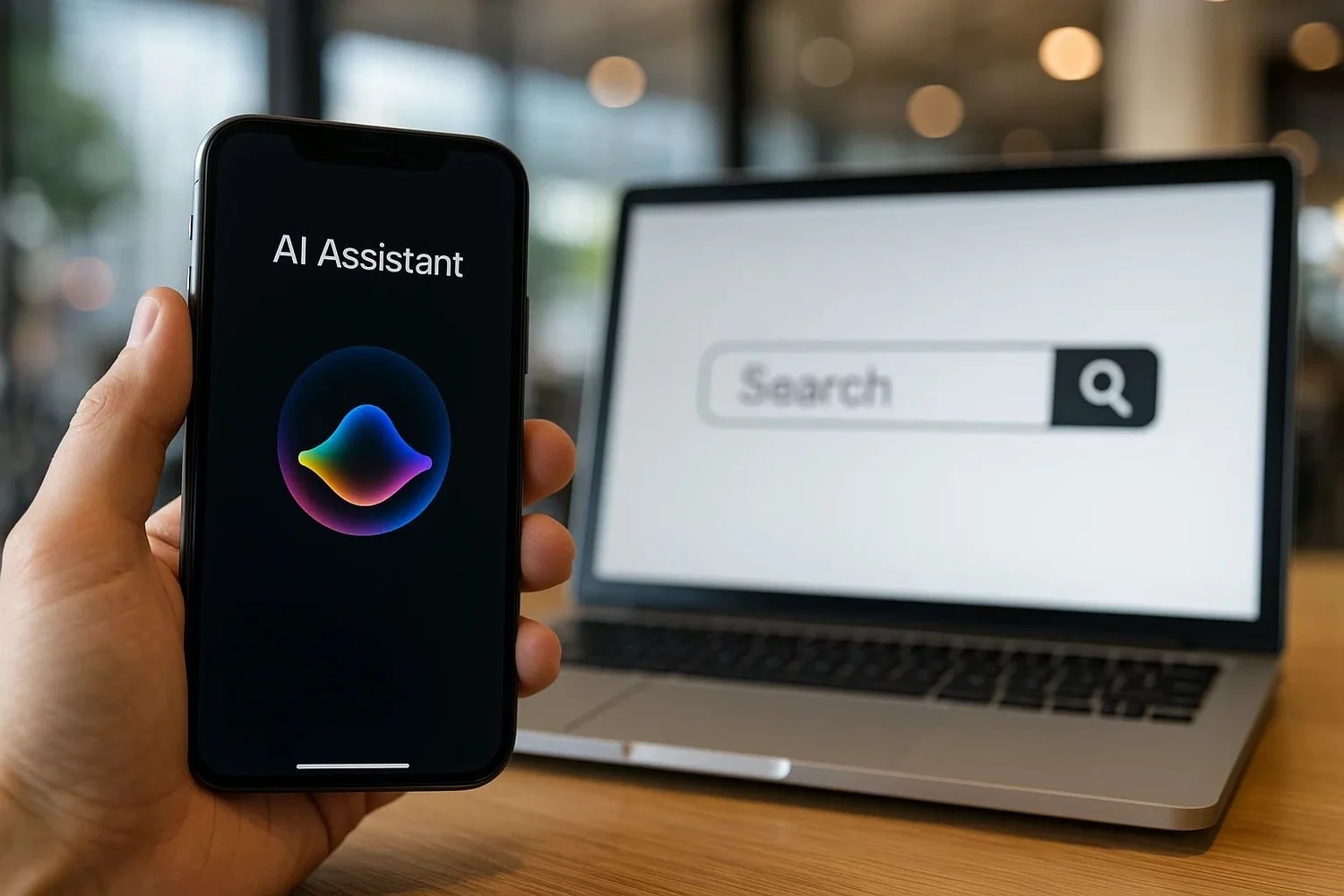
For years, e-commerce search followed a familiar pattern. A shopper typed a few keywords into a search bar, the store matched those words to product listings, and the customer scrolled through pages of results, hoping to find something useful. That model still exists, but in 2026, it is starting to feel limited. Shoppers no longer want to search the way they used to. They want to describe what they need naturally, ask follow-up questions, quickly compare options, and get relevant recommendations without doing all the filtering themselves.
Traditional Ecommerce Search Has Clear Limits
Traditional search works best when shoppers already know exactly what they want and how to describe it. If someone searches for “black wireless headphones,” a basic search engine can usually return decent results. But many shopping journeys are not that simple. A customer may be looking for “a laptop for architecture students under a certain budget” or “a dress for an outdoor wedding that is elegant but not too formal.” Those are not just keywords. They are needs, preferences, and context.
Keyword-based systems often struggle with that kind of intent. They may return products that match the words but miss the meaning. They can also force shoppers to rely on filters, categories, and repeated searches just to narrow results down. Google Cloud’s retail documentation explains that conversational commerce and guided search reduce this burden by allowing natural-language requests, follow-up questions, and refined product discovery beyond static keyword matching.
AI Assistants Make Product Discovery Feel More Natural
The biggest reason stores are shifting toward AI assistants is simple: conversation feels more natural than search. Instead of trying to think like a search engine, shoppers can speak like people. They can say what they want in their own words, explain constraints, and refine the request step by step.
An AI shopping assistant can respond to prompts such as “I need running shoes for flat feet under $120” or “Show me a sofa that fits a small apartment and is easy to clean.” From there, it can ask clarifying questions, highlight trade-offs, and recommend products more intelligently than a standard result page. This makes the experience feel less like searching a catalog and more like getting help from a knowledgeable sales assistant.
That shift matters because product discovery is one of the biggest friction points in ecommerce. Shopify notes that AI in ecommerce is increasingly being used for personalization, product recommendations, and customer experience improvements, while Google Cloud describes agentic commerce as a move from passive browsing toward more active, personalized shopping journeys.
Better Intent Understanding Leads to Better Recommendations
AI assistants are not valuable just because they can chat. They are valuable because they can interpret intent better than traditional search tools. A keyword engine sees words. An AI assistant can infer needs, compare context, and make recommendations based on meaning rather than only matching terms.
This is especially important for stores with large catalogs, technical products, or shoppers who are unsure what to buy. Someone might not know the exact model name they need, but they know the problem they want to solve. AI assistants can bridge that gap by turning intent into guidance. Shopify’s recent guidance on AI recommendation systems notes that AI-driven recommendations help shoppers find more relevant products faster, which can support conversion, larger baskets, and repeat purchases.
AI Search Reduces Friction and Decision Fatigue
One of the biggest weaknesses of traditional ecommerce search is that it often creates too many decisions. Shoppers are shown long lists of products, dozens of filters, and multiple pages of results. That may look like freedom, but in practice it can create confusion and fatigue.
AI assistants reduce that friction by doing more of the discovery work on behalf of the shopper. They can narrow choices based on conversation, explain why certain options fit better, and keep the user moving toward a decision. Google Cloud’s retail materials explicitly frame conversational commerce as a way to support guided search, interactive refinement, and product discovery in real time, replacing much of the burden that traditional search leaves on the customer. :contentReference[oaicite:4]{index=4}
Retailers Want Higher Conversion, Not Just Better Search
From the retailer’s perspective, this shift is not only about making search more modern. It is about improving commercial outcomes. Better product discovery usually means shoppers find relevant products faster, stay engaged longer, and are more likely to buy. AI assistants also create more opportunities for upselling, cross-selling, and personalized guidance than a static search page ever could.
That is why more retail platforms are moving toward what Salesforce calls agentic AI in commerce and what Google describes as agentic commerce. These systems are designed not just to answer questions, but to actively help guide the shopper toward better outcomes. Salesforce’s 2026 ecommerce trend reporting says agentic AI is moving beyond assistive uses, while its broader 2026 retail predictions point to a growing role for AI chat assistants that can support research, comparison, shopping links, and even checkout-related flows. :contentReference[oaicite:5]{index=5}
AI Assistants Also Support Smaller Ecommerce Teams
This trend is not only for giant retailers. Smaller ecommerce teams also benefit because AI assistants can reduce manual workload. Instead of relying on large support teams or constant merchandising intervention, stores can use AI to answer routine questions, guide product discovery, and support shoppers at scale.
That can be especially valuable for growing brands with limited staff. Salesforce has reported that small businesses are investing more in AI-assisted sales, automation, and self-service chat experiences, which reflects a wider shift toward smarter digital tools that simplify work while improving customer interactions.
The Search Bar Is Not Disappearing, But Its Role Is Changing
Traditional search is not vanishing overnight. Many shoppers will still use search bars, category pages, and filters, especially for straightforward purchases. But the role of search is changing. Instead of being the main path to product discovery, it is becoming just one option inside a broader, more intelligent shopping experience.
Google Cloud’s documentation reflects this shift clearly: modern commerce platforms now combine search, browse, recommendations, conversational product filtering, and conversational commerce agents in one system. In other words, the future is not just better search. It is search plus conversation, context, and intelligent guidance.
Conclusion
More online stores are replacing traditional search with AI assistants because customers want less friction, better recommendations, and a shopping experience that feels more human. Keyword-based search still has value, but it is no longer enough on its own for a market where personalization, speed, and relevance matter more than ever.
In 2026, the most effective ecommerce experiences are moving from static search results to interactive guidance. AI assistants help shoppers explain what they want, discover products more naturally, compare options with less effort, and move toward purchase more confidently. For retailers, that means better engagement and a stronger chance of conversion. The search bar is still there, but it is no longer the center of the experience. The conversation is taking its place.